ESZKÖZÖK

Ezt a listát gyakorló ökotrénerek állították össze, saját tapasztalataink alapján. Ezeket az eszközöket - legyen az egy könyv, videó, cikk - hasznosnak, értékesnek találtunk az ökoműveltség fejlesztése szempontjából, a lista folyamatosan bővül. Az eszközökre kompetenciák és tudásszint alapján is tudsz keresni. Minden eszközhöz gyakorlati ajánlást is adunk, hogy ezekkel segítsük az oktató, trénerek munkáját.
1. szint

Kezdő szint. Itt olyan eszközöket találsz, amelyek bevezetnek az adott ökokompetencia alapjainak megismerésébe. Ezt a szintet akkor ajánljuk, ha most ismerkedsz a témával, vagy szeretnéd felfrissíteni az alapvető ismereteidet. Ez a szint ideális ha ezeket az eszközöket a saját tanulási folyamatod de jó kiindulópont akkor is, ha a résztvevőid tanulási élményének tervezésébe szeretnéd beépíteni.

2. szint

Középhaladó szint. Ha már ismered az adott ökokompetencia alapjait, haladj tovább! Ezen a szinten olyan eszközöket találsz, amelyek segítenek a további elmélyülésben. Válaszd ki a neked tetsző eszköztípust, hogy fejleszd a saját és a célcsoportod kompetenciáit. Bátran oszd meg ezeket az eszközöket, és inspirálj másokat további felfedezésre.

3. szint

Haladó szint. Ha már jól ismered az adott ökokompetenciát, és nyitott vagy újdonságokra, amelyek már kiterjedtebb tudással érthető meg a legjobban, itt olyan eszközöket találsz, amelyek segítenek szakértelmed továbbfejlesztésében. Egyben javasoljuk, hogy időnként térj vissza az előző szintekhez is — az alapok újragondolása gyakran új felismeréseket hoz, és nagyban gazdagíthatja a tudásodat.

Eszközök formái
Szintek
Öko-kompetenciák

* A csillaggal jelölt kompetenciák az EU GreenComp keretrendszerben meghatározottak.

Szűrők törlése

Könyvek

2. szint

Ecology, Community and Lifestyle: Outline of an Ecosophy by Arne Naess

Næss presents “ecosophy”—living wisely within ecological limits. While philosophical, it sparks valuable discussions about values, consumption, and sustainability. Educators can use excerpts to inspire debate, reflection, or eco-manifestos. Trainers and youth workers may guide participants to explore personal “ecosophies” and lifestyle choices, encouraging a worldview shift toward simplicity, care, and responsibility for the earth.

Language of source: Angol

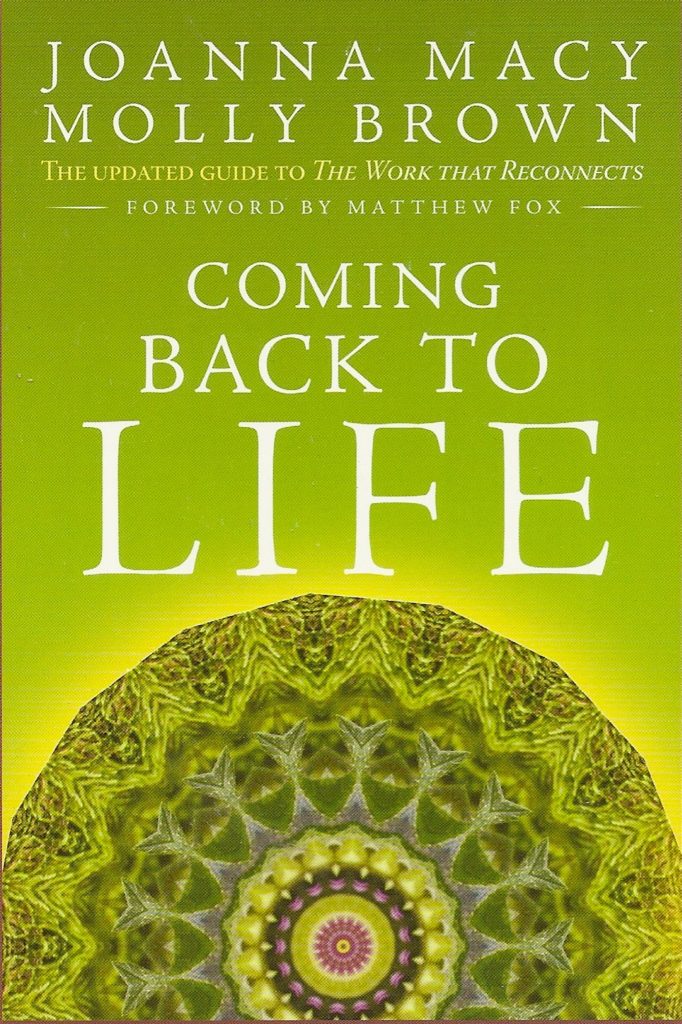
Coming back to life: The Updated Guide to The Work That Reconnects by Joanna Macy and Molly Young Brown

This guide introduces The Work That Reconnects, a framework of practices to foster gratitude, process eco-anxiety, and inspire action. Educators can use its group exercises to help learners reflect, share emotions, and find resilience. Ideal for workshops or classrooms, it offers practical steps to move from despair to empowerment, nurturing hope and community.

Language of source: Angol

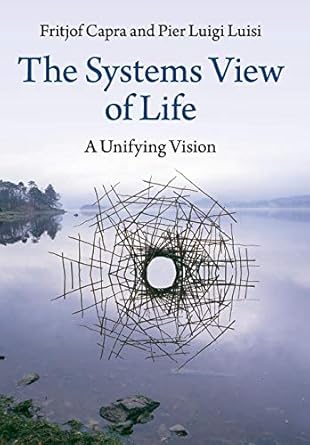
The Systems View of Life: A Unifying Vision by Fritjof Capra and Pier Luigi Luisi

This book introduces systems thinking as a way to see life as interconnected. It bridges science, ecology, and society, offering educators tools to move beyond linear thinking. Teachers can adapt diagrams and activities to map feedback loops or local issues. Trainers and youth workers can help groups discover patterns and solutions, fostering holistic, creative problem-solving skills.

Language of source: Angol

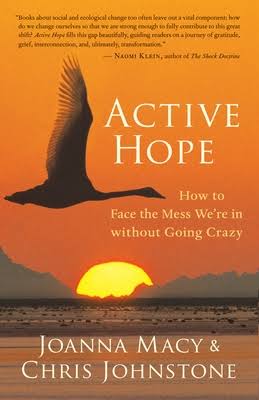
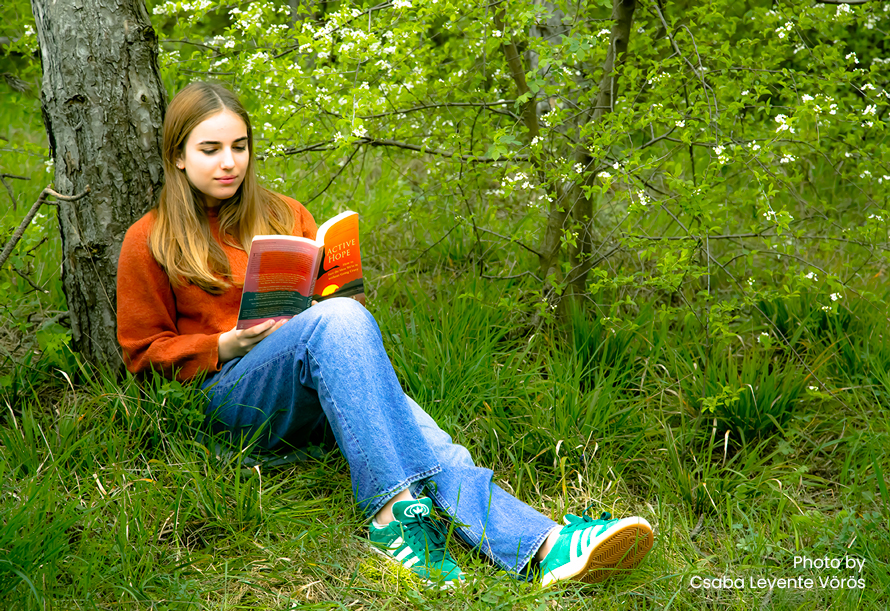
Active Hope by Joanna Macy and Chris Johnstone

Active Hope presents a four-stage path—gratitude, honoring pain, seeing with new eyes, and going forth—to help readers face global crises with resilience, purpose, and practical action. It's a guide for transforming despair into engaged, life-affirming activism.

Language of source: Angol

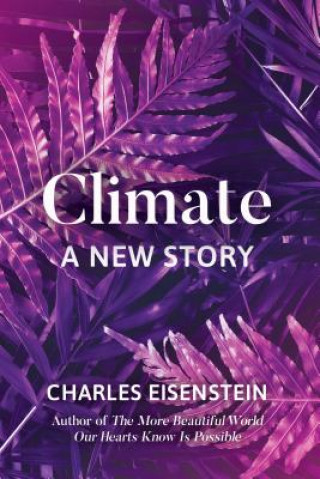
Climate — A New Story by Charles Eisenstein

Charles Eisenstein reframes climate change, shifting from fossil‑fuel reduction to a “living‑systems” perspective. He argues environmental harm stems from a deeper “Story of Separation,” and calls for a new “Story of Interbeing” rooted in love, empathy, local action, and healing both people and ecosystems. It invites a shift in how we relate to the planet, introducing a non-materialistic perspective focused on healing and transformation.

Language of source: Angol

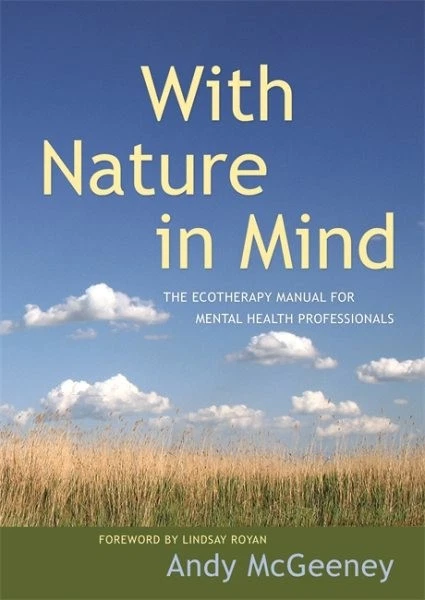
With Nature in Mind by Andy McGeeney

McGeeney highlights how time in nature supports wellbeing and learning. The book offers practical outdoor activities like mindful walks, nature journaling, and sensory exploration. Educators and youth workers can use these to deepen ecological connection, reduce stress, and foster group cohesion. Simple, low-cost, and adaptable, these practices make the natural world a partner in education and care.

Language of source: Angol

3. szint

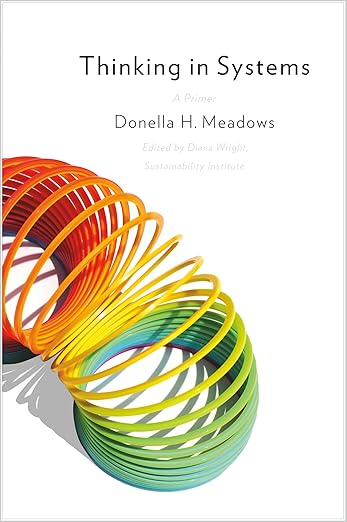
Thinking in systems by Donnella Meadows

Meadows’ classic makes systems thinking accessible with clear concepts and real examples. Educators can use it to build critical problem-solving skills—mapping everyday systems, tracing feedback loops, or exploring leverage points. Trainers and youth workers can guide participants in applying these ideas to local issues, empowering them to see patterns and identify where small changes can spark big impacts.

Language of source: Angol

The Systems View of Life: A Unifying Vision by Fritjof Capra and Pier Luigi Luisi

This book introduces systems thinking as a way to see life as interconnected. It bridges science, ecology, and society, offering educators tools to move beyond linear thinking. Teachers can adapt diagrams and activities to map feedback loops or local issues. Trainers and youth workers can help groups discover patterns and solutions, fostering holistic, creative problem-solving skills.

Language of source: Angol

Active Hope by Joanna Macy and Chris Johnstone

Active Hope presents a four-stage path—gratitude, honoring pain, seeing with new eyes, and going forth—to help readers face global crises with resilience, purpose, and practical action. It's a guide for transforming despair into engaged, life-affirming activism.

Language of source: Angol

Climate — A New Story by Charles Eisenstein

Charles Eisenstein reframes climate change, shifting from fossil‑fuel reduction to a “living‑systems” perspective. He argues environmental harm stems from a deeper “Story of Separation,” and calls for a new “Story of Interbeing” rooted in love, empathy, local action, and healing both people and ecosystems. It invites a shift in how we relate to the planet, introducing a non-materialistic perspective focused on healing and transformation.

Language of source: Angol

Videók

1. szint

Greenwashing: a Fiji water story, by Our changing climate

This environmental video essay, takes a quick look at greenwashing using Fiji Water's marketing campaign as a case study. It explores why green products are not necessarily as eco-friendly as their packaging suggests.

Language of source: Angol

Understanding eco-emotions – Conversation with Panu Pihkala and Juni Sinkkonen

How are the triple planetary crisis and our mental health connected? Why is eco-emotions research on the rise? Where does our environmental anxiety come from? Join an online conversation with the author of Climate Emotions Wheel and a leading expert on interdisciplinary eco-anxiety research Panu Pihkala and the psychologist Juni Sinkkonen.

Language of source: Angol

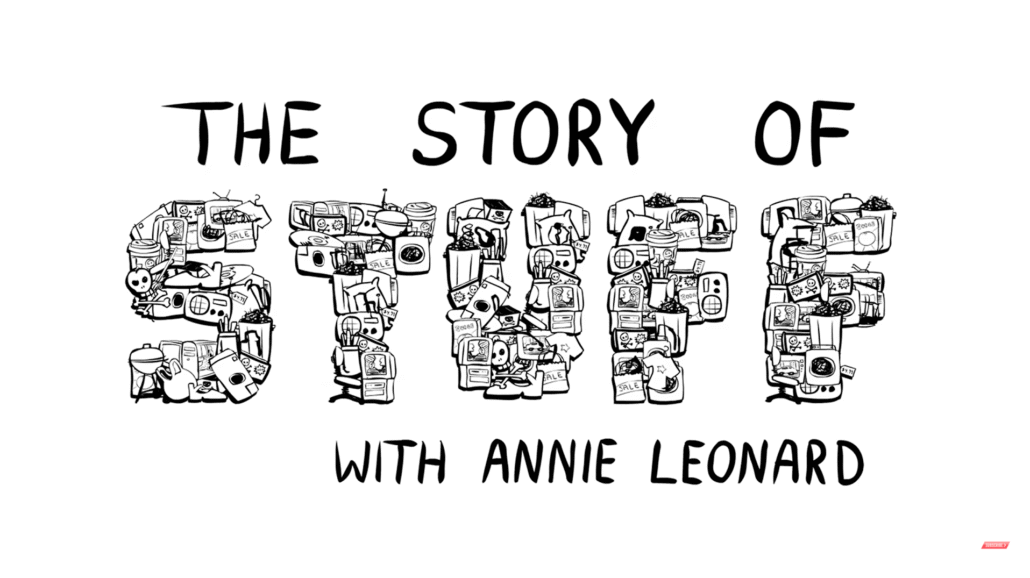
The Story of Stuff by The Story of Stuff Project

The Story of Stuff is a 20-minute, fast-paced, fact-filled look at the underside of our production and consumption patterns. From its extraction through sale, use and disposal, all the stuff in our lives affects communities at home and abroad, yet most of this is hidden from view. The Story of Stuff exposes the connections between a huge number of environmental and social issues, and calls us together to create a more sustainable and just world. It'll teach you something, it'll make you laugh, and it just may change the way you look at all the stuff in your life forever.

Language of source: Angol

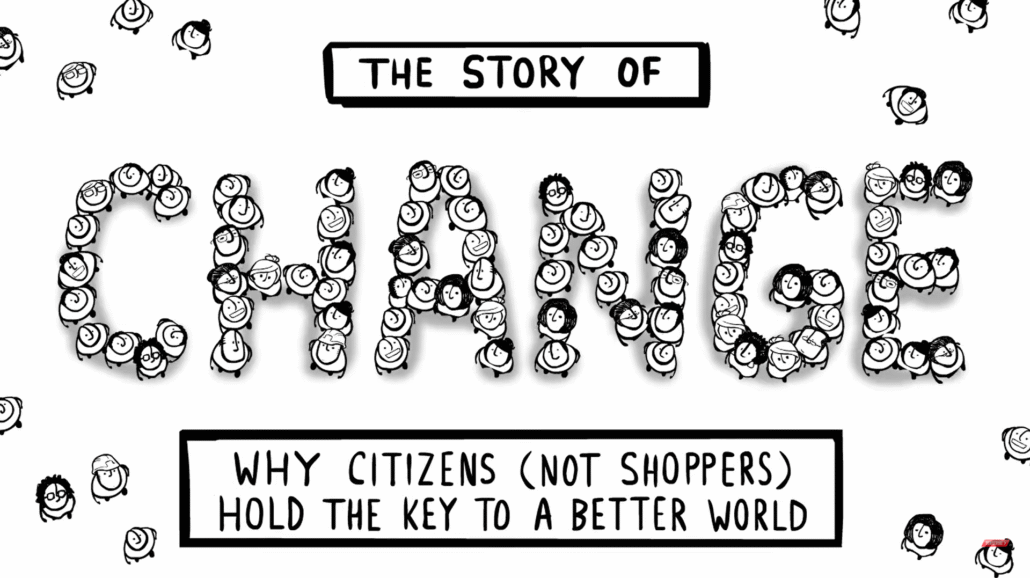
The Story of Change by The Story of Stuff Project

Can shopping save the world? The Story of Change urges viewers to put down their credit cards and start exercising their citizen muscles to build a more sustainable, just, and fulfilling world.

It is useful for encouraging people to get together for a common cause.

Language of source: Angol

A simpler way: crisis as an opportunity by Happen Films

This documentary shows how crises can inspire simpler, more meaningful lifestyles. Educators can use it to spark discussions on resilience, sustainability, and creative living. Trainers and youth workers can design visioning activities or lifestyle experiments—like reducing waste for a week—to explore alternatives together. Its hopeful message reframes crisis as a chance to rediscover community, purpose, and possibility.

Language of source: Angol

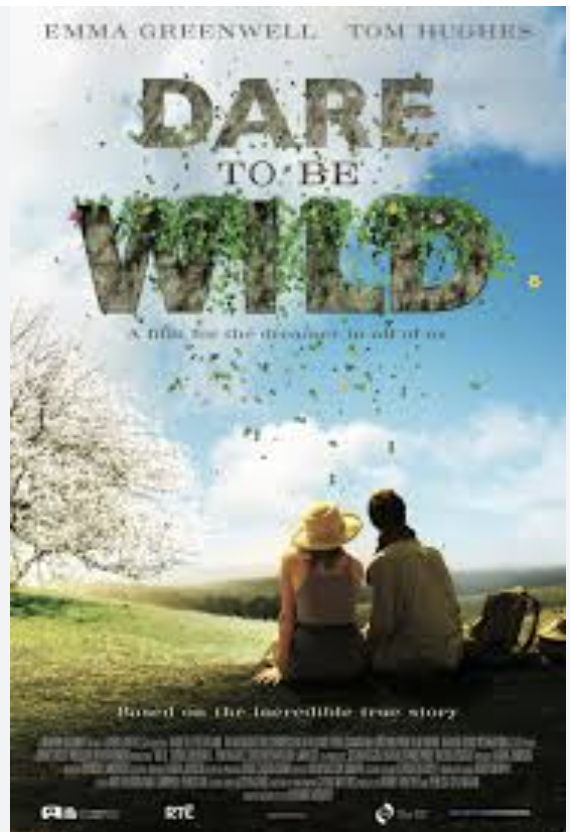
Dare to Be Wild

"Dare to Be Wild" is a romantic drama inspired by the true story of landscape designer Mary Reynolds, who defies the odds to bring nature’s wild beauty to the prestigious Chelsea Flower Show. The film celebrates creativity, perseverance, and the healing power of nature.
It is truly inspiring for showcasing how wild nature can be embraced and integrated even within urban environments.

Language of source: Angol

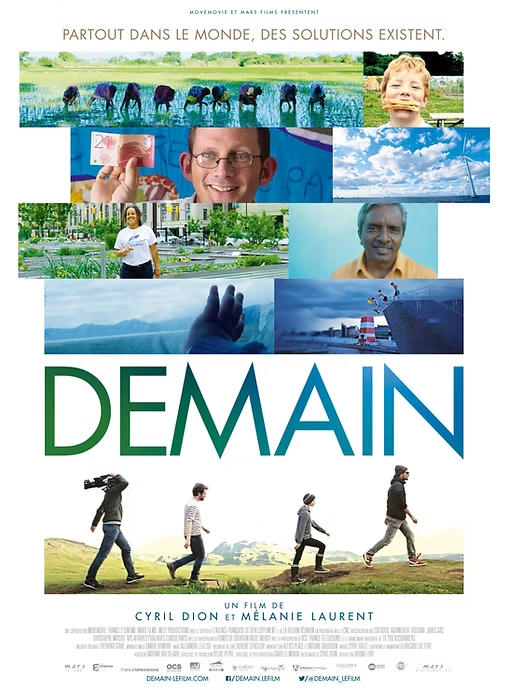
Tomorrow by Cyril Dion and Mélanie Laurent

Tomorrow showcases real solutions worldwide, from renewable energy to local farming. For educators, it provides diverse case studies across disciplines. Trainers and youth workers can use it to inspire project-based learning, analyzing solutions and imagining local adaptations. With its hopeful tone, the film helps learners move from despair to action, showing that change is already happening.

Language of source: French

2. szint

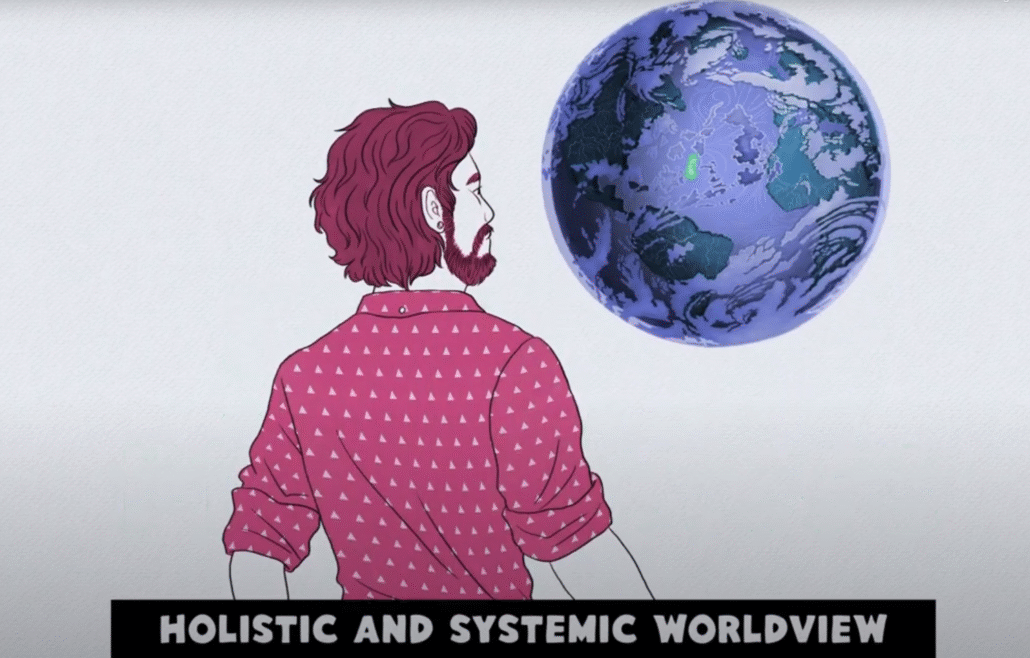
Unlocking a paradigm shift: the non-linear view and deep simplicity of the self-organising universe, by Mansoor Vakili and Christopher Weir

An educational short explaining humanity’s move from nonlinear to linear thought and shows how retraining the brain for nonlinear thinking can help us realign with the natural, self-organizing flow of the universe. It inspires a return to holistic, systems-based thinking.

Language of source: Angol

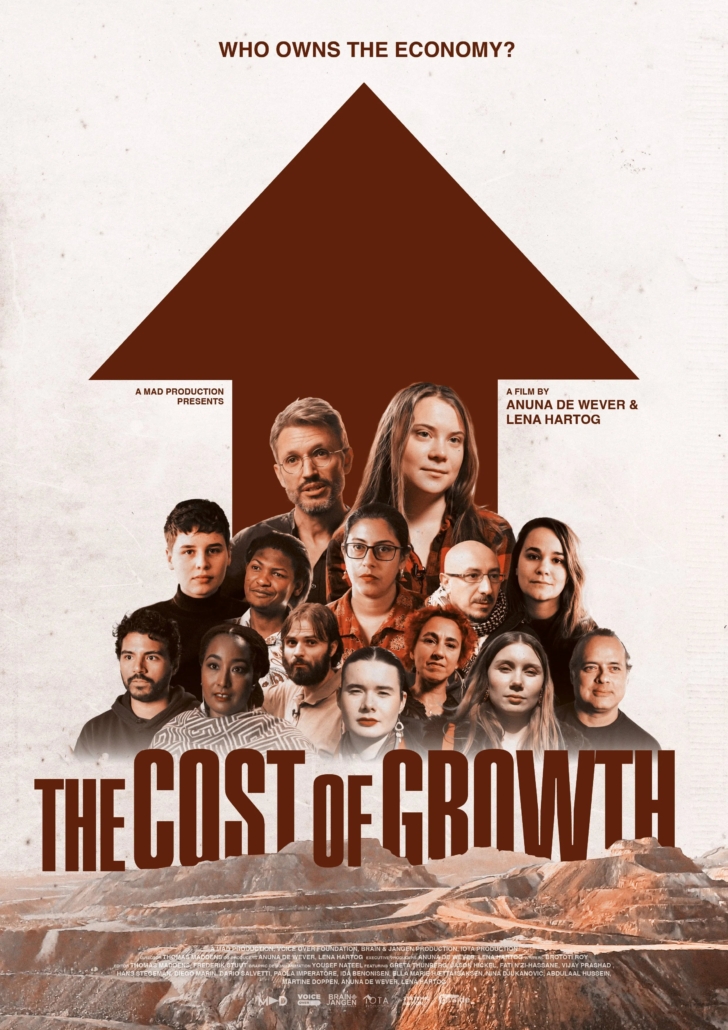
The cost of growth cover

The Cost of Growth – by Anuna De Wever and Lena Hartog

The Cost of Growth connects local struggles against extractivism in Serbia, Italy and Sapmi with broader debates on justice, democracy, and war. It shows how people across Europe are not only resisting false solutions, but also building alternatives - from grassroots organizing to new forms of cooperation and solidarity.

Language of source: Angol

The Story of Stuff by The Story of Stuff Project

The Story of Stuff is a 20-minute, fast-paced, fact-filled look at the underside of our production and consumption patterns. From its extraction through sale, use and disposal, all the stuff in our lives affects communities at home and abroad, yet most of this is hidden from view. The Story of Stuff exposes the connections between a huge number of environmental and social issues, and calls us together to create a more sustainable and just world. It'll teach you something, it'll make you laugh, and it just may change the way you look at all the stuff in your life forever.

Language of source: Angol

The Story of Change by The Story of Stuff Project

Can shopping save the world? The Story of Change urges viewers to put down their credit cards and start exercising their citizen muscles to build a more sustainable, just, and fulfilling world.

It is useful for encouraging people to get together for a common cause.

Language of source: Angol

A simpler way: crisis as an opportunity by Happen Films

This documentary shows how crises can inspire simpler, more meaningful lifestyles. Educators can use it to spark discussions on resilience, sustainability, and creative living. Trainers and youth workers can design visioning activities or lifestyle experiments—like reducing waste for a week—to explore alternatives together. Its hopeful message reframes crisis as a chance to rediscover community, purpose, and possibility.

Language of source: Angol

Dare to Be Wild

"Dare to Be Wild" is a romantic drama inspired by the true story of landscape designer Mary Reynolds, who defies the odds to bring nature’s wild beauty to the prestigious Chelsea Flower Show. The film celebrates creativity, perseverance, and the healing power of nature.
It is truly inspiring for showcasing how wild nature can be embraced and integrated even within urban environments.

Language of source: Angol

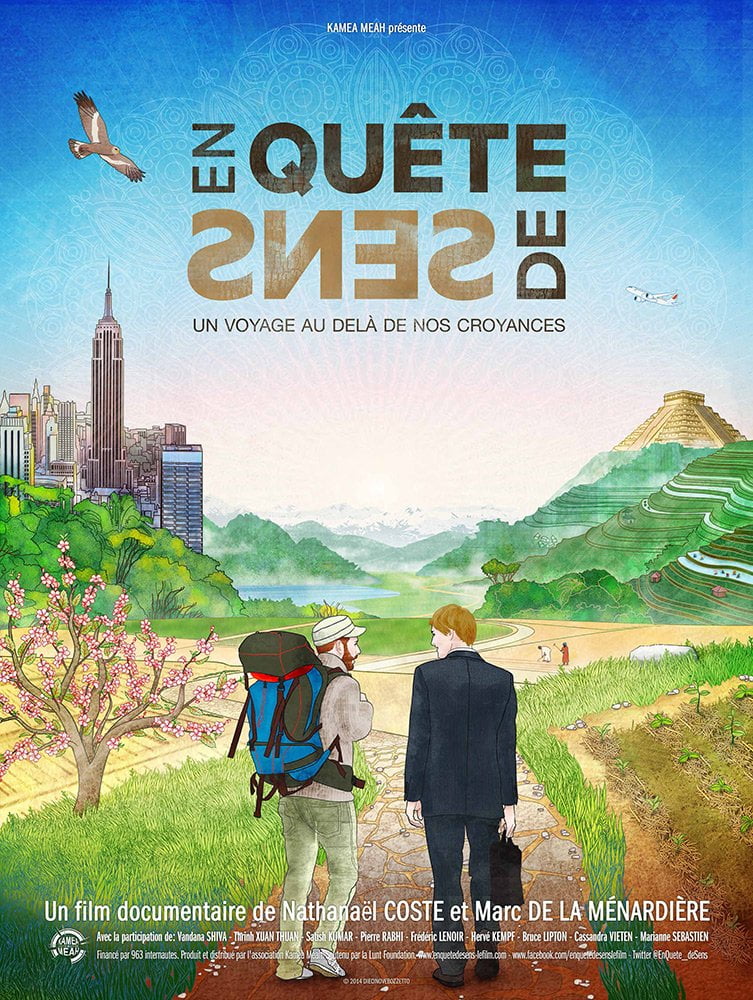
A quest for meaning by Nathanaël Coste and Marc de la Ménardière

Original title: En Quête de Sens

This film follows two friends exploring life’s deeper questions with activists and thinkers worldwide. It’s ideal for values-based education, encouraging reflection on purpose, identity, and responsibility. Educators can use excerpts for journaling, storytelling, or group dialogue. Youth workers will find it powerful for helping young people share their own journeys and dreams, fostering resilience and inner transformation.

It helsp learners transcend individualism and the apparent simplicity of human existence.

Language of source: French

Tomorrow by Cyril Dion and Mélanie Laurent

Tomorrow showcases real solutions worldwide, from renewable energy to local farming. For educators, it provides diverse case studies across disciplines. Trainers and youth workers can use it to inspire project-based learning, analyzing solutions and imagining local adaptations. With its hopeful tone, the film helps learners move from despair to action, showing that change is already happening.

Language of source: French

Online források

3. szint

The contradiction of the sustainable development goals: Growth versus ecology on a finite planet

Research article examining the contradiction within the SDGs between promoting “harmony with nature” and pursuing 3% annual economic growth. Using data on resource use and CO₂ emissions, it finds that continued global growth makes sustainability targets unattainable and proposes equity-based, post-growth alternatives.

Language of source: Angol

Designing resilient regenerative systems: beyond systems thinking

A free online course to advance your applied knowledge on systems thinking. We need cultural and mental transformation to deal with the current global polycrisis. This learning journey is a fluid, intervention-driven, synergistic process addressing complex challenges with a regional focus. It entails a critical look at systems thinking, tools to navigate complexity, basics of social network analysis, resilience assessment, circularities, and systemic innovation.

Language of source: Angol

Capra course cover

The Systems View of Life – Capra Course, by Fritjof Capra

A paid online course on systems thinking. In The Systems View of Life – Capra Course, you are invited to shift your worldview—from seeing the world as a machine to perceiving it as a dynamic, interconnected web. The course weaves together biology, cognition, society, and ecology into a coherent, relational understanding of life. Through twelve lectures, guided readings, and interactive forums, you’ll gain the conceptual tools to understand today’s complex challenges (climate change, inequality, health, governance) as systemic in nature—and to discern holistic solutions. Participants also join a global alumni network to deepen their inquiry long after the course ends.

Language of source: Angol